Ten-day contracts: patching a roster mid-season
When a club may sign one, how many it may give the same player, and what happens on the eleventh day.
- Section
- Explainers
- Desk
- Explainer
- Length
- 664 words, about 4 min
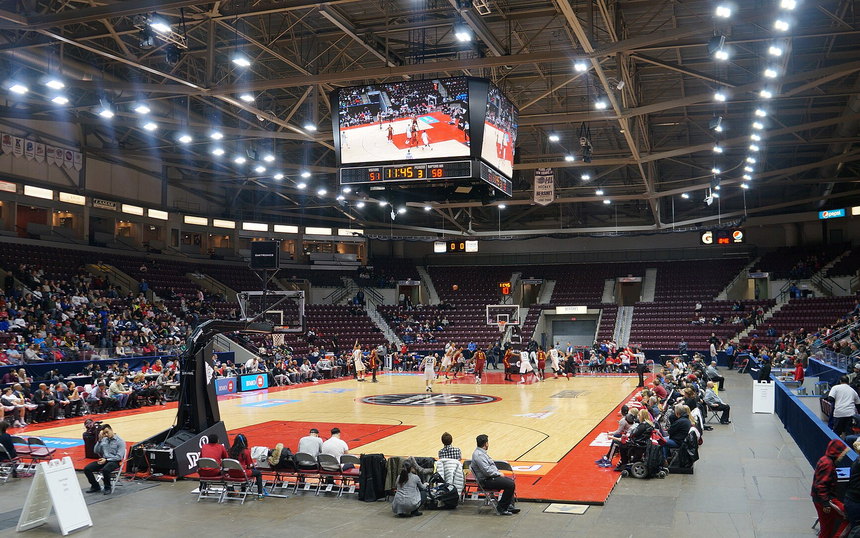
January 5 marks the official opening of the standard ten-day market across the league. Under the 2023 collective bargaining agreement between the NBA and the players' association, front offices can sign free agents to minimum-salary contracts that run for the longer of 10 calendar days or three games played by the team. A single franchise cannot sign the same player to more than two of these standard contracts in a single season.
The January 5 Window and the Three-Game Floor
Standard ten-day contracts do not exist on opening night. Front offices must wait until January 5 to file these agreements with the league office, creating a mid-season transaction window designed for short-term evaluation and injury cover.
Pay is non-negotiable. The 2023 collective bargaining agreement fixes the compensation at the minimum player salary, prorated across the term of the deal.
A common misunderstanding involves the calendar itself. While named a ten-day contract, the agreement does not automatically expire after 240 hours. If a team signs a player on a Tuesday and plays only two games over the following ten days, the contract extends until the team completes its third game. The legal term is whichever period is longer.
The Two-Contract Limit and Early Termination
Front offices cannot retain a player on a rolling sequence of standard ten-day deals. The collective bargaining agreement sets a hard cap: no team may enter into a 10-day contract with the same player more than twice during one season.
Once a second standard contract reaches its end, the front office faces an immediate fork. The team must either sign the player to a standard contract for the remainder of the season or release him to free agency. There is no middle ground, and no third standard ten-day contract exists under league rules.
``` Standard 10-Day Contract Term Limits:
- First Contract: 10 days or 3 games (longer period applies)
- Second Contract: 10 days or 3 games (optional renewal by team)
- End of Second Contract: Convert to rest-of-season deal or release
```
The collective bargaining agreement also governs early terminations. If a team waives or terminates a player before his ten days or three games conclude, the franchise cannot simply execute a fresh agreement the next morning. The rules bar the team and the player from entering into a new contract until the stated term of the original, terminated contract has fully elapsed.
Roster Openings and Simultaneous Signings
Standard ten-day contracts require available roster space. Under standard rules outlined by Hoops Rumors, a team must have an open spot on its 15-man roster to execute a standard signing.
Roster math also dictates how many ten-day players a team can carry at one time. Teams carrying a full 15-man roster can sign up to three 10-day contracts simultaneously, while clubs with fewer players on standard roster slots can sign fewer.
Hardship Exceptions and the Four-Player Threshold
The major departure from standard nba 10 day contract rules occurs through the hardship exception. This medical relief mechanism allows teams to exceed the traditional 15-man roster limit and sign replacement players.
A hardship exception operates on four strict medical criteria:
- The roster must have at least four players unavailable due to injury or illness.
- All four sidelined players must have already missed at least three consecutive games.
- All four players must be projected by medical evaluations to remain out for at least two additional weeks.
Unlike standard deals, hardship signings can occur prior to January 5. Furthermore, when a franchise qualifies for the hardship exception, it may continue re-signing the same player to additional 10-day contracts beyond the standard two-contract ceiling, provided the four-player injury criteria remain active. Once injured players return and the team falls below the four-player threshold, the roster must be trimmed back to compliance.