The ABA years: what the Nets were before the NBA
Two championships, a red-white-and-blue ball, and the entry fee that cost the franchise its best player.
- Section
- History
- Desk
- Feature
- Length
- 605 words, about 3 min
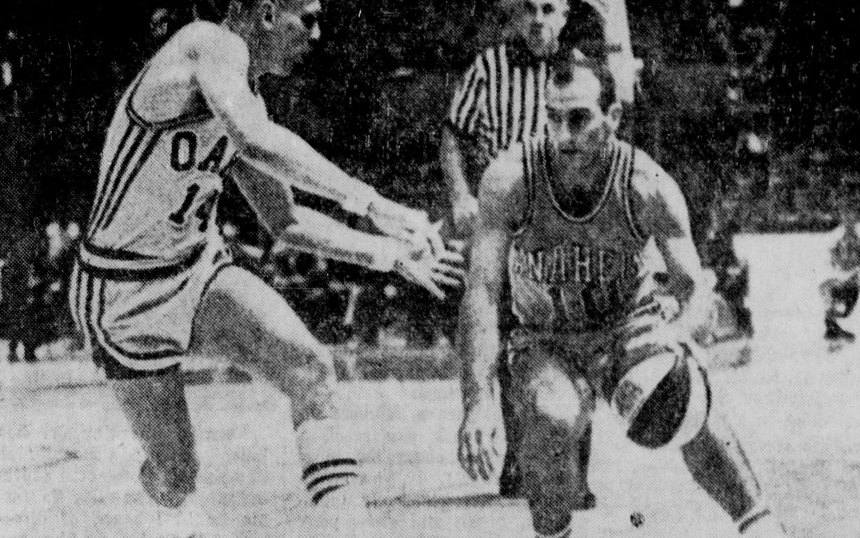
When the New York Nets won the 1976 American Basketball Association title, they celebrated as reigning champions of a rival league, only to join the National Basketball Association weeks later under terms that resembled a financial shakedown. The franchise came into the established league with two championship rings in three seasons, yet NBA governors treated them as an expansion applicant rather than an equal partner.
The Nets' ABA history shows the price tag of survival beyond on-court success.
From ABA Startup to Two-Time Champions
The franchise started in 1967 as the New Jersey Americans, one of the original teams in the newly founded ABA. After a single season under that banner, the front office changed directions. In 1968, the team altered its name to the New York Nets.
The club took time to find its footing, but it eventually dominated the competition. The Nets won their first ABA championship in 1974. Two years later, in the spring of 1976, they captured the league title again. That victory cemented the franchise as the final champion in ABA history, proving the roster could outplay its rivals in the league.
Four Survivors of the June 1976 Merger
The ABA–NBA merger became official on June 17, 1976. It was not a comprehensive union of two full competitions. The NBA agreed to take in just four ABA teams: the New York Nets, the Denver Nuggets, the Indiana Pacers, and the San Antonio Spurs.
Other ABA franchises folded or were bought out. For the four accepted clubs, survival brought immediate obligations. They had secured spots in the senior league, but the existing owners intended to extract maximum concessions before letting them on the court.
Expansion Classification and Lost League Privileges
League executives did not grant the incoming quartet equal footing. The NBA treated all four ABA entrants strictly as expansion teams, not as equal merger partners, attaching punitive financial and operational conditions to their admission.
Each of the four clubs had to pay a $3.2 million expansion fee directly to the NBA.
The financial drain did not end with that entry check. NBA owners barred the four incoming clubs from participating in the 1976 NBA Draft, shutting them out from adding top collegiate prospects. The league also stripped them of national broadcast revenue, requiring all four teams to forgo their share of national television distributions for their first three seasons, covering 1976 through 1979.
League governance was just as lopsided. The merger terms gave the four ABA teams no votes related to gate-receipt distribution or NBA divisional alignment for two years, running from 1976 to 1978.
The Knicks Indemnity and the Nets' Unique Burden
While Denver, Indiana, and San Antonio paid their $3.2 million entry fees and absorbed the lost revenue, the Nets faced an extra penalty tied to geography. The New York Knicks already played in the metropolitan market and guarded their territory closely.
To clear their admission, the Nets had to pay an additional $4.8 million indemnity directly to the Knicks.
That territorial payment was larger than the baseline NBA expansion fee itself. Combined, the Nets owed $8 million in entry penalties and indemnity payments simply to complete the transition.
The Financial Toll of the Final ABA Trophy
The Nets entered the NBA having won the 1974 and 1976 ABA championships, but the terms of entry were punishing. The franchise took the floor facing an $8 million bill, no 1976 draft picks, zero national television distributions across three seasons, and no voting voice on division alignments or ticket revenue for two years.